
THE ROLE OF
NUTRITION
IN HEARING CARE.
Daily habits for hearing care start in the kitchen. Understanding how specific micronutrients support the delicate structures of the inner ear is essential for long-term sound perception.
The human ear is one of the most metabolically active organs in the body. The tiny hair cells responsible for capturing vibrations rely on a constant, high-speed exchange of ions and oxygen. When we discuss ear and hearing health, we are effectively discussing the health of our vascular system.
In the context of modern lifestyles, our ears are subject to various environmental pressures. While we often focus on the impact of noise on hearing, we rarely consider how our internal environment—our nutritional status—buffers these external stressors. The role of nutrition in hearing care is not about instant changes, but about providing the raw materials needed for cellular resilience.
Vascular Support
Proper blood flow ensures that the cochlea receives the oxygen necessary to convert sound waves into electrical signals for the brain.
Oxidative Balance
Natural ingredients rich in antioxidants help manage the byproduct of sound processing, maintaining the longevity of delicate ear structures.
ESSENTIAL ELEMENTS
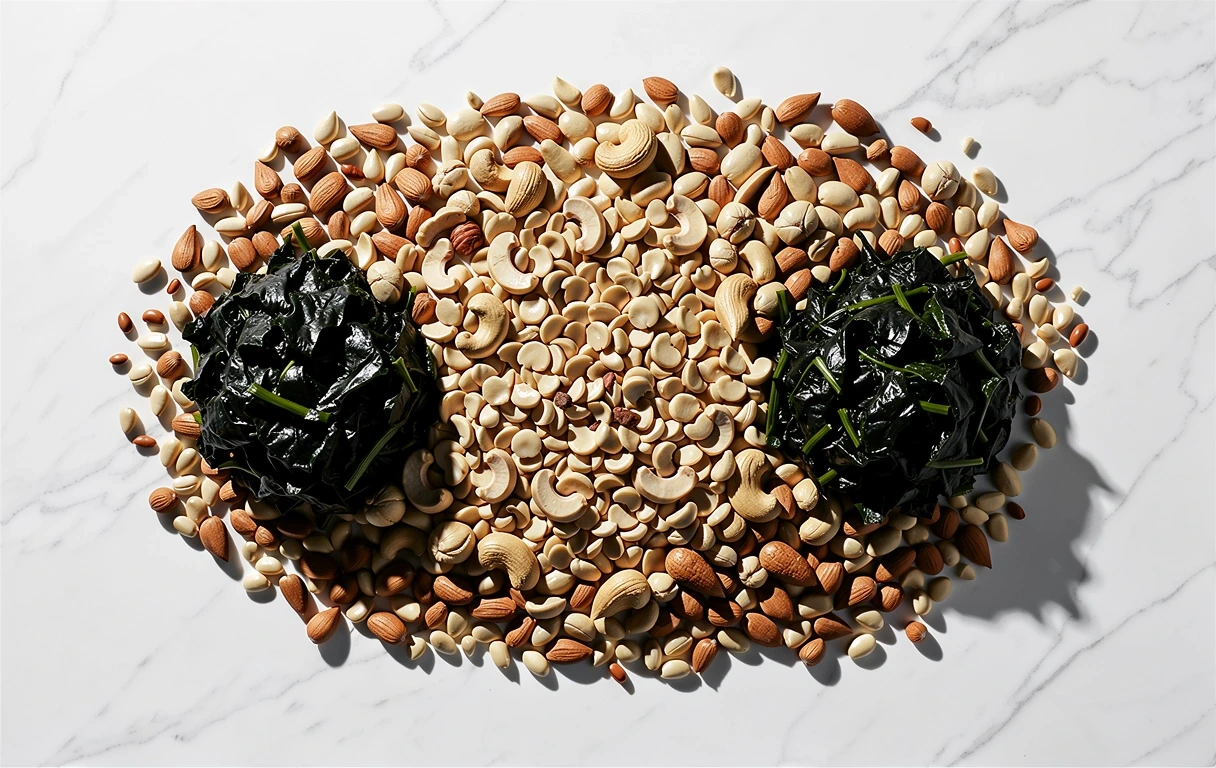
Magnesium
Acts as a protective barrier against the effects of loud environments by regulating glutamate levels and supporting nerve function within the auditory pathway.
Zinc
A power player for the immune system and cell division. High concentrations are found specifically in the cochlea, suggesting a fundamental role in maintaining hearing in everyday life.
Potassium
Regulates the fluid levels in the inner ear. As we age, these fluid levels become more difficult to maintain, making regular intake a cornerstone of healthy habits for hearing.
INTEGRATING HABITS
Caring for your hearing isn't about a single "superfood." It's about a consistent nutritional architecture. Lifestyle and hearing are inseparable; the foods you consume provide the baseline defense for your auditory system against hearing in the context of modern lifestyles, which are often characterized by high noise floors and processed diets.
Prioritize Omega-3 fatty acids to support the vascular integrity of the vessels leading to the ear.
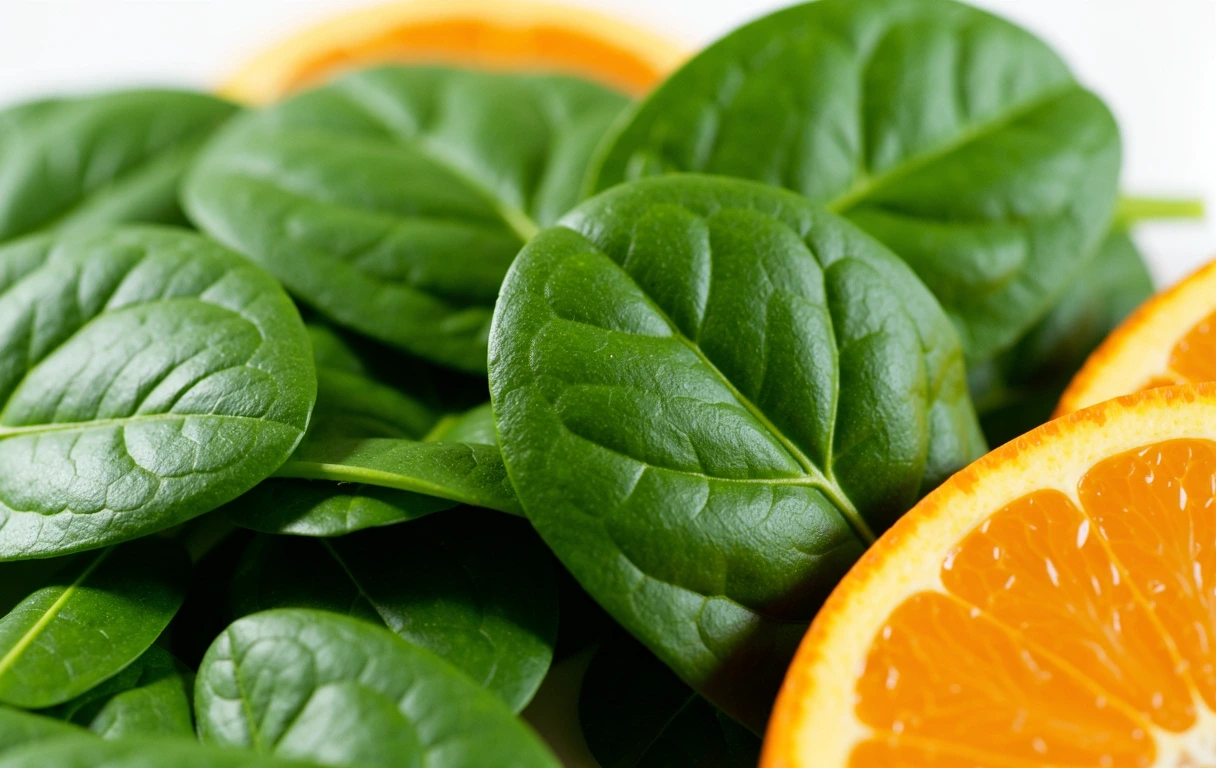
Incorporate green leafy vegetables daily to ensure an adequate supply of folic acid.
Manage hydration to keep the fluid in the inner ear (endolymph) balanced and reactive.
Attention to Hearing Health
While internal nutrition builds our foundation, we must also remain mindful of hearing and the environment. Sound levels in urban spaces—from transit to headphones—constantly challenge our sensory thresholds. Prevention of hearing discomfort is a multi-layered approach: nourish from within, protect from without.
Reach Out.
For inquiries regarding our educational resources on the role of nutrition in hearing care or to share your own wellness journey, contact our Granada office.